

AC Humidity Problems in UAE Homes – Causes, Signs, and Simple Fixes
If you live in United Arab Emirates, you already know how hot and humid the weather can get. We use air conditioners every day, but sometimes the room feels cool and still uncomfortable. Why does that happen? Why do we still feel sticky?
This is where AC humidity problems in UAE homes become important to understand.
Let’s break it down in a simple way so we can fix it easily.
What Are AC Humidity Problems?
Humidity means the amount of water in the air. A good AC should:
- Cool the air
- Remove extra moisture
If your AC is not removing moisture, the air feels:
- Damp
- Sticky
- Heavy
Have you ever walked into a room and felt like the air is wet? That is a humidity issue.
Why UAE Homes Face More Humidity Issues
Cities like Dubai, Sharjah, and Ajman are close to the sea. This increases moisture in the air.
According to UAE National Center of Meteorology, humidity levels in coastal areas can rise above 70% during summer nights. Also, data from ASHRAE shows that indoor humidity should stay between 40% and 60% for comfort.
So what happens when it goes higher?
- Your home feels uncomfortable
- Mold can grow
- AC performance drops
Main Causes of AC Humidity Problems in UAE Homes
Let’s look at the real reasons behind this issue.
1. Incorrect AC Size
An oversized AC cools quickly but does not remove enough moisture.
A small AC runs too long but still fails to control humidity.
2. Dirty Air Filters
Dust blocks airflow. When airflow is low, moisture stays inside the room.
3. Low Refrigerant Level
Low gas reduces cooling power and moisture removal.
4. Poor Maintenance
Dust in coils, ducts, and drain lines affects performance.
5. Wrong Thermostat Settings
Running the fan all the time can bring humidity back into the room.
Signs of Humidity Issues in AC
How do we know there is a problem?
Look for these signs:
- Sticky feeling even when AC is ON
- Bad smell from vents
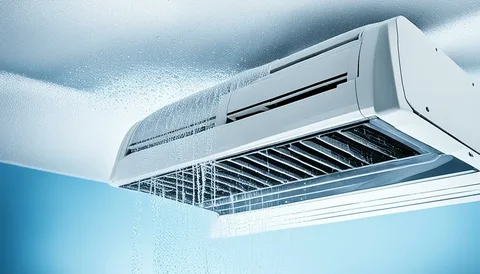
- Water leakage or condensation
- Mold spots on walls or ceiling
- Fog on windows
Do you notice one or more of these? Then your AC needs attention.
Practical Table: Problem vs Solution
| Issue | What You Notice | Cause | Fix |
|---|---|---|---|
| Sticky air | Damp feeling | Oversized AC | Check tonnage |
| Weak airflow | Less cooling | Dirty filter | Clean filter |
| Bad smell | Musty odor | Mold in ducts | Duct cleaning |
| Water leakage | Dripping water | Blocked drain | Clear drain line |
| High electricity bill | Long running AC | Low refrigerant | Gas refill |
How to Fix AC Humidity Problems
Now let’s focus on solutions we can use in real life.
1. Regular AC Maintenance
We should service our AC every 3 to 6 months. This helps remove dust and improves airflow.
2. Use Proper Thermostat Mode
Set your AC on auto mode instead of fan mode. This helps control moisture better.
3. Clean or Replace Filters
Dirty filters are a common reason for AC moisture problem.
4. Check Refrigerant Level
Low gas can reduce cooling and dehumidification.
5. Clean Air Ducts
Dust inside ducts can block airflow and trap moisture.
Real Case from Local Area
In a home in Al Mowaihat, we saw a common issue. The AC was cooling, but the room still felt humid. After checking, we found:
- Dirty coils
- Blocked drain line
Once cleaned, the humidity dropped quickly. The room felt fresh again.
Have you seen something like this in your home?
Expert Opinions and Research
According to Energy Star, regular HVAC maintenance can improve efficiency by up to 15%. Another study from U.S. Department of Energy shows that poor AC maintenance increases energy use and indoor humidity.
This means proper care saves money and improves comfort.
Tips to Prevent Humidity Issues
We can avoid many problems with simple steps:
- Clean filters every month
- Keep doors and windows closed
- Service AC before summer
- Avoid running fan mode all day
- Check drainage system
FAQ
1. Why is my AC not removing humidity?
It may be oversized or need maintenance.
2. Can dirty filters cause humidity?
Yes, they block airflow and trap moisture.
3. What is the ideal indoor humidity level?
Between 40% and 60%.
4. Does AC gas affect humidity?
Yes, low refrigerant reduces moisture removal.
5. How often should AC be serviced?
Every 3 to 6 months.
6. Can humidity damage walls?
Yes, it can cause mold and paint damage.
7. Is duct cleaning helpful?
Yes, it improves airflow and reduces moisture.
8. Why does my room feel sticky?
Your AC may not be removing humidity properly.
9. Should I use fan mode?
No, it can increase humidity.
10. Can humidity affect health?
Yes, it can cause allergies and breathing issues.
11. What is an AC moisture problem?
It means your AC is not removing water from the air.
12. When should I call a technician?
If humidity stays high after basic cleaning.
Final Thoughts
AC humidity problems in UAE homes are common, but they are easy to fix with the right steps. When we maintain our AC regularly and use correct settings, we can enjoy cool and fresh air every day.
If your room feels cool but still uncomfortable, your AC is likely dealing with a humidity issue. Fixing it early can save money and improve your comfort.