

When summer heat starts filling your home, many people ask the same question: Should we install central air conditioning now or wait another year?
A strong cooling system can make your home more comfortable, lower indoor humidity, and help your family sleep better during hot nights. Still, many homeowners worry about the central air installation cost and whether the system is worth the money.
The good news is that a properly planned installation can last 15 to 20 years with regular care. That makes choosing the right central air conditioner installer in Al Jurf is very important.
- How central AC systems work
- The average cost to install central air
- What changes the final installation price
- Common mistakes homeowners make
- Energy-saving tips
- Expert advice from HVAC professionals
- Real-life examples and statistics
By the end, you will know what to expect before starting your project.
What Does a central air conditioner installer in Al Jurf Do?
A central air conditioner installer in Al Jurf sets up the cooling system that pushes cold air through ducts into every room of your home. The work usually includes:
- Choosing the correct AC unit size
- Installing indoor and outdoor equipment
- Connecting refrigerant lines
- Setting up ductwork
- Checking home size and insulation
- Testing airflow and cooling performance
A skilled installer does more than place a machine outside your home. Proper sizing and airflow setup help the system cool evenly and reduce energy waste.
How Central Air Conditioning Works
Central air conditioning systems cool your home using several main parts:
| System Part | Job |
|---|---|
| Outdoor Condenser Unit | Releases heat outside |
| Indoor Evaporator Coil | Removes heat from indoor air |
| Thermostat | Controls temperature |
| Ductwork | Moves cool air through the house |
| Air Filter | Traps dust and particles |
The system pulls warm air from inside your home, cools it through refrigerant coils, and sends cooled air back through the vents.
If ducts leak or the unit size is wrong, the system may struggle to cool properly. That is why experienced central air conditioning install teams matter.
Average Central Air Installation Cost
One of the biggest questions homeowners ask is: How much to install central air? The answer depends on several factors, including home size, duct condition, labor rates, and system efficiency.
Average Price Range
| Home Size | Estimated Installation Cost |
|---|---|
| 1,000–1,500 sq. ft. | $3,500–$6,000 |
| 1,500–2,000 sq. ft. | $5,000–$8,000 |
| 2,000–3,000 sq. ft. | $7,000–$12,000 |
| Large homes | $12,000+ |
These estimates usually include equipment and labor.
If your home already has good ductwork, the cost to install central air will often stay lower. Homes without ducts usually cost more because installers must add new air channels.
What Changes the Cost to Install Central Air?
Many homeowners see different price quotes and wonder why the numbers vary so much. Here are the biggest reasons.
1. AC Unit Size
Larger homes need stronger systems. HVAC contractors measure cooling power in tons. Typical examples:
- 1.5-ton system for small homes
- 3-ton system for medium homes
- 5-ton system for large homes
Installing a unit that is too large may cool quickly but fail to remove humidity well.
2. Ductwork Condition
Old or damaged ducts reduce cooling efficiency. If ducts leak air, your system may work harder and raise electricity bills.
The U.S. Department of Energy reports that leaking ducts can waste up to 30% of airflow in some homes. That means a poor duct system can increase monthly energy costs even with a new AC unit.
3. SEER Rating
SEER stands for Seasonal Energy Efficiency Ratio. Higher SEER systems use less electricity but usually cost more upfront. For example:
- 14 SEER = standard efficiency
- 16–18 SEER = better efficiency
- 20+ SEER = premium systems
Many homeowners in hot climates choose higher SEER units because they run longer during summer.
4. Labor Costs
Experienced HVAC companies may charge more, but quality installation often prevents future repairs. Cheap installation sometimes causes:
- Weak airflow
- Refrigerant leaks
- Uneven cooling
- Short equipment life
5. Smart Thermostats and Extras
Many homeowners now add:
- Smart thermostats
- Air purification systems
- Zoning controls
- Humidity management
These upgrades raise the total central air installation cost, but they may improve comfort and energy savings.
How Much to Install Central Air Without Existing Ducts?
Homes without ductwork usually cost more. Installing new ducts may add:
- $3,000 to $10,000 or more
The final price depends on:
- Home layout
- Ceiling access
- Wall structure
- Number of vents needed
Older homes often need extra labor because installers must work carefully around finished walls and ceilings.
Signs You Need a New Central Air System
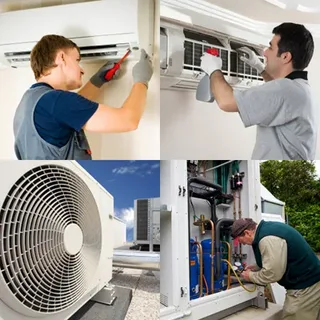
Sometimes homeowners spend money repairing an old unit again and again. At some point, replacement becomes the better option. Here are common warning signs:
Rising Energy Bills
Older systems lose efficiency over time. If your cooling costs keep climbing, your unit may use extra electricity to keep up.
Uneven Cooling
Do some rooms feel cold while others stay warm? That may mean:
- Bad airflow
- Old ducts
- Incorrect AC sizing
Frequent Repairs
If repair bills appear every summer, replacing the unit may save money over time.
System Age
Most central AC systems last:
- 15 to 20 years
Older systems usually use more electricity than modern equipment.
What Happens During Central Air Conditioning Install?
Many homeowners feel nervous before installation day because they do not know what to expect. The process usually follows these steps.
Home Inspection
The HVAC technician checks:
- Home size
- Insulation
- Windows
- Existing ducts
- Electrical system
Load Calculation
Professionals use calculations to find the right unit size. This step helps avoid oversized or undersized systems.
Equipment Installation
The team installs:
- Outdoor condenser
- Indoor evaporator coil
- Refrigerant lines
- Drain lines
Ductwork Setup
If needed, installers repair or add duct systems.
Testing and Final Check
The installer tests:
- Airflow
- Refrigerant pressure
- Thermostat operation
- Cooling performance
A proper test helps the system run correctly from the start.
Expert Advice About Central Air Installation
HVAC professionals often say the installation quality matters more than the brand itself. A study from ENERGY STAR found that poor installation can reduce HVAC efficiency by up to 30%.
That means even expensive systems may perform badly if installed incorrectly. Experts usually recommend:
- Choosing licensed HVAC contractors
- Asking for written estimates
- Checking warranty details
- Requesting load calculations
- Comparing multiple quotes
These steps help homeowners avoid future problems.
Real-Life Example: Why Proper Installation Matters
One homeowner replaced a 15-year-old AC unit with a high-efficiency system but kept old leaking ducts. The new unit cooled the home, but electricity bills stayed high.
After duct sealing and airflow balancing, cooling performance improved and energy use dropped. This example shows why the full HVAC system matters, not just the outdoor unit.
Benefits of Hiring a Professional Central Air Conditioner Installer
Some people think about DIY cooling installation to save money. Central AC systems are complex and involve:
- Refrigerant handling
- Electrical work
- Airflow balancing
- Local building codes
Professional installation gives several benefits.
Better Energy Efficiency
Correct airflow and refrigerant levels help the system use less power.
Longer Equipment Life
Proper setup reduces stress on system parts.
Improved Indoor Comfort
Good installation helps maintain even temperatures across rooms.
Warranty Protection
Many manufacturers require licensed installation for warranty coverage.
Common Mistakes Homeowners Make
Avoiding these mistakes can save money later.
Choosing the Cheapest Quote
Low-cost work sometimes skips proper testing or uses poor materials.
Buying the Wrong System Size
Bigger does not always mean better. Oversized systems may cycle on and off too quickly.
Ignoring Duct Problems
Old ducts reduce airflow and cooling performance.
Forgetting Maintenance
Even new systems need:
- Filter changes
- Coil cleaning
- Annual inspections
Energy-Saving Tips After Installation
Once your new system is installed, these habits can help lower cooling costs.
Change Air Filters Regularly
Dirty filters restrict airflow.
Most homes need replacement every 1–3 months.
Use Ceiling Fans
Fans help circulate cool air and reduce AC strain.
Seal Air Leaks
Small gaps around windows and doors let cool air escape.
Install a Programmable Thermostat
Smart temperature control may reduce energy use.
Schedule Annual Maintenance
Professional inspections help spot small issues early.
Central Air vs Window AC Units
Some homeowners compare central air with window units before making a decision.
Central Air Benefits
- Whole-home cooling
- Better air circulation
- Cleaner appearance
- Higher home value
Window Unit Benefits
- Lower upfront cost
- Easier installation
- Good for small spaces
For larger homes, central systems usually provide better comfort and quieter operation.
Is Central Air Worth the Cost?
For many homeowners, the answer is yes. A professionally installed central AC system may:
- Improve indoor comfort
- Help control humidity
- Increase property appeal
- Lower long-term cooling costs
The key is hiring a trusted central air conditioner installer who sizes and installs the system correctly.
Final Thoughts
Choosing a new cooling system is a major home decision. Many homeowners focus only on the central air installation cost, but installation quality matters just as much as the equipment itself.
A well-installed system can cool your home efficiently for many years. Poor installation may lead to high bills, uneven cooling, and repeated repairs.
Before choosing a contractor, compare estimates carefully and ask questions about system sizing, airflow testing, and warranties.
If you have been asking:
- “How much to install central air?”
- “What affects the cost to install central air?”
- “Should we replace our old AC system?”
Now you have a clearer idea of what the process involves and how to make a smart decision.
FAQs
1. How much does central air installation cost?
Most homeowners spend between $3,500 and $12,000 depending on home size, ductwork, and system efficiency.
2. How long does central air installation take?
Most installations take one to three days.
3. Can central air lower humidity indoors?
Yes. Central AC systems help remove moisture from indoor air.
4. How long do central AC systems last?
Most systems last around 15–20 years with regular maintenance.
5. Do we need new ductwork for central air?
Not always. Existing ducts may work if they are in good condition.
6. What SEER rating should we choose?
Many homeowners choose 16 SEER or higher for better efficiency.
7. Is central air better than window units?
Central air cools the whole home more evenly and quietly.
8. How often should AC filters be changed?
Usually every 1–3 months depending on dust levels and usage.
9. Can bad installation increase electricity bills?
Yes. Poor airflow and refrigerant setup can reduce efficiency.
10. Should we replace a 20-year-old AC system?
Older systems often use more electricity and may need replacement.
11. Does central air add home value?
Many buyers prefer homes with central cooling systems.
12. What should we ask a Central Air Conditioner Installer in Al Jurf?
Ask about:
- Licensing
- Warranty
- Load calculations
- Installation timeline
- Maintenance plans